

HVOR KOMMER MATCHA FRA?
Matcha er en 800 år gammel japansk te-tradition og en daglig ritual for selvomsorg. Her får du fortællingen om, hvordan en japansk munk opdagede matcha – en grøn skat, som tidligere kun var forbeholdt munke og adel, men som i dag kan nydes af alle.Historien starter i det 8. århundrede i det kinesiske kejserrige. Dengang malede man grøn te til pulver og piskede det med varmt vand – en teknik, der senere skulle danne grundlag for matcha.
HVEM OPFANDTE MATCHA – OG HVORDAN?
Ifølge legenden var det den japanske munk ved navn Eisai, der bragte matcha-traditionen til Japan og videreudviklede forarbejdningsmetoden for mere end 800 år siden. I 1191 rejste Eisai til Kina for at studere buddhisme. Her opdagede han de grønne teblade, som han tog med sig hjem til Japan – og som holdt ham frisk og fokuseret under rejsen.
DEN FØRSTE BOG OM MATCHA
Senere i livet, da Eisai var blevet zenpræst, skrev han bogen Kissa Yojoki 喫茶養生記 – “Sådan holder du dig sund ved at drikke te” – i år 1211. Bogen beskriver både de sundhedsmæssige fordele og hvordan man tilbereder matcha korrekt. Den regnes som Japans ældste tebog og var med til at udbrede te-drikkens kultur i hele landet.
Indtil da var te forbeholdt adelen og munkene – men med bogen fik flere adgang til den grønne drik.
HVORFOR ER MATCHA SÅ POPULÆRT?
Matcha har i århundreder været central til den japanske teceremoni. I dag er matcha tilgængeligt i mange varianter – ligesom vin – og findes i forskellige kvaliteter og smagsnuancer. Hos Piohni har vi ledt længe efter den bedste ceremonielle matcha, som er cremet, rund og uden bitterhed.
Det, der engang kun var for japanske munke og eliten, er i dag blevet en tilgængelig luksus, vi alle kan nyde.
IS ALL MATCHA THE SAME?
No. Matcha comes in a range of grades, much like wine, and most of what’s labelled matcha but has a bitter taste is low grade, not for drinking on its own. Ceremonial grade is stone-ground from the youngest, shade-grown leaves, and it’s the only standard we work with at Piohni. If a matcha tastes bitter, chalky, or grassy, it’s very likely not ceremonial grade, the real kind should taste smooth and a little sweet, without anything added.
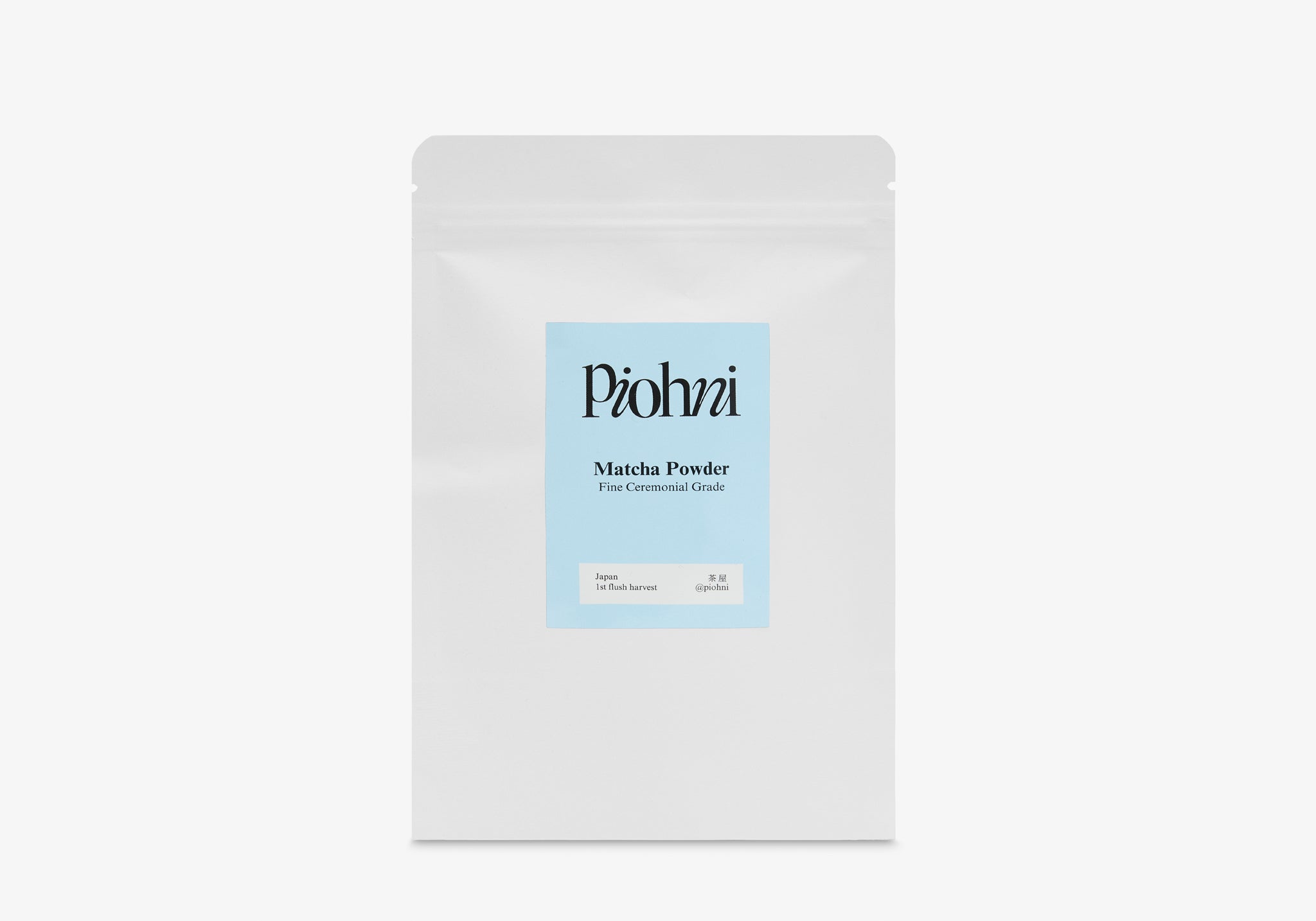
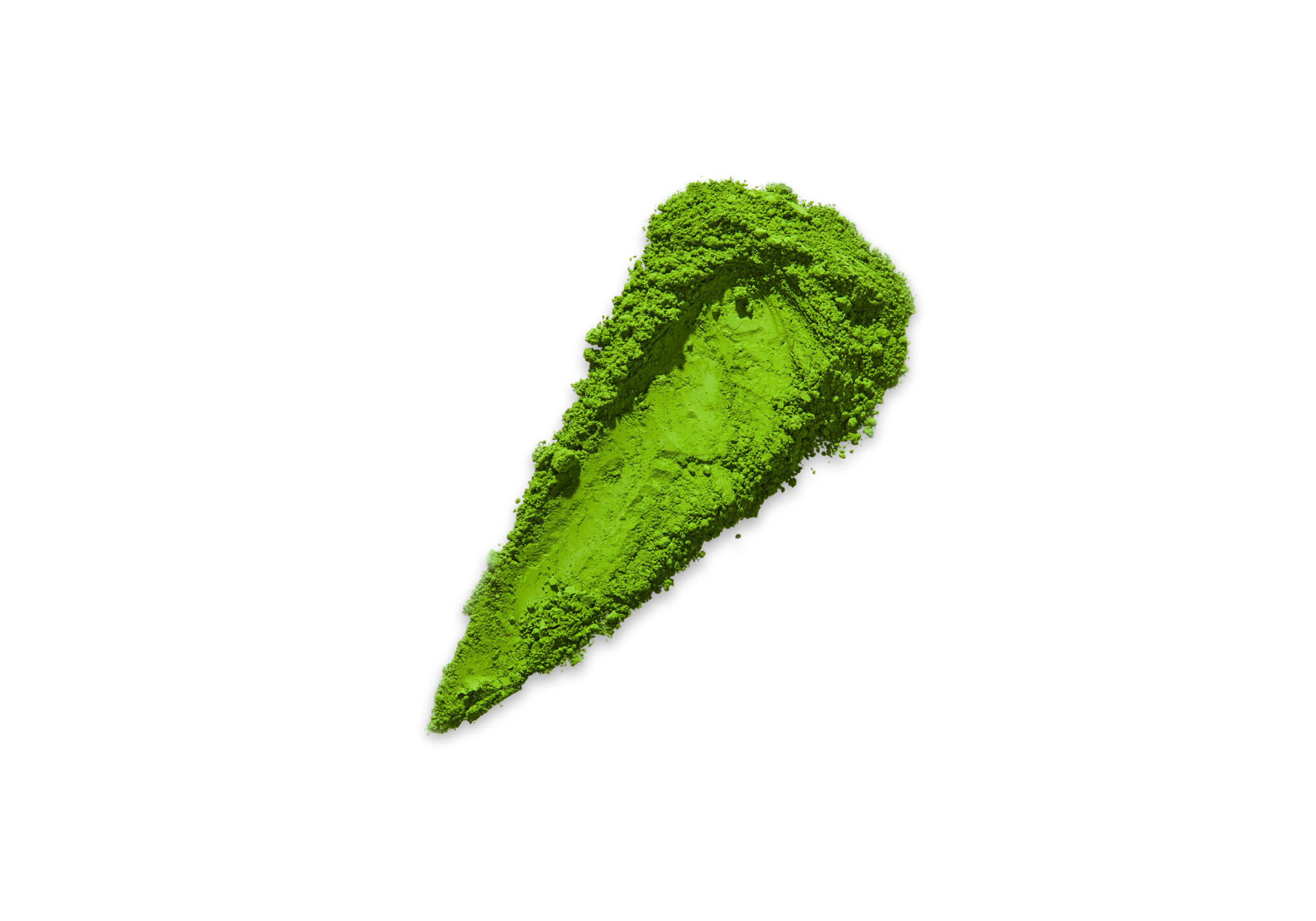
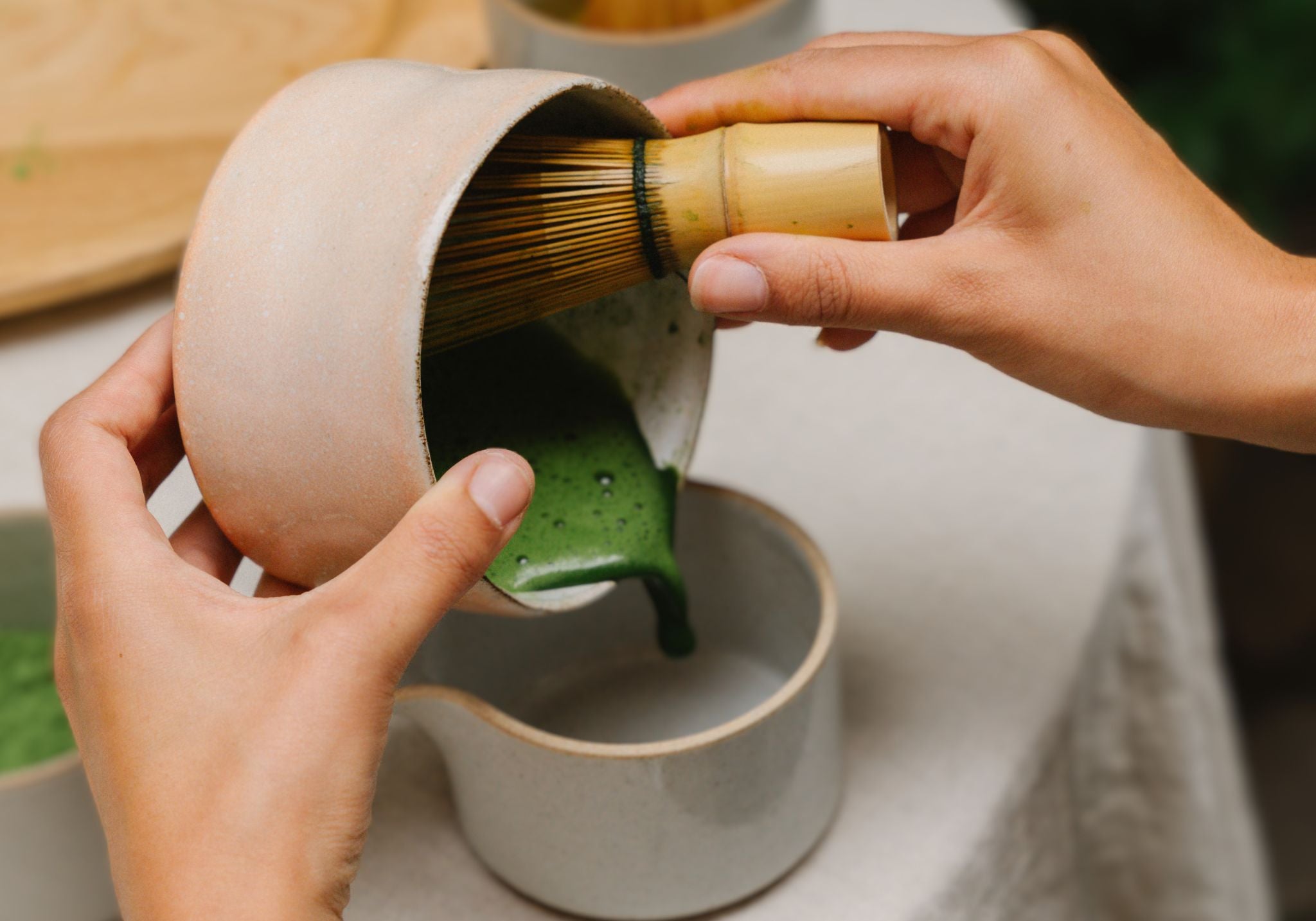
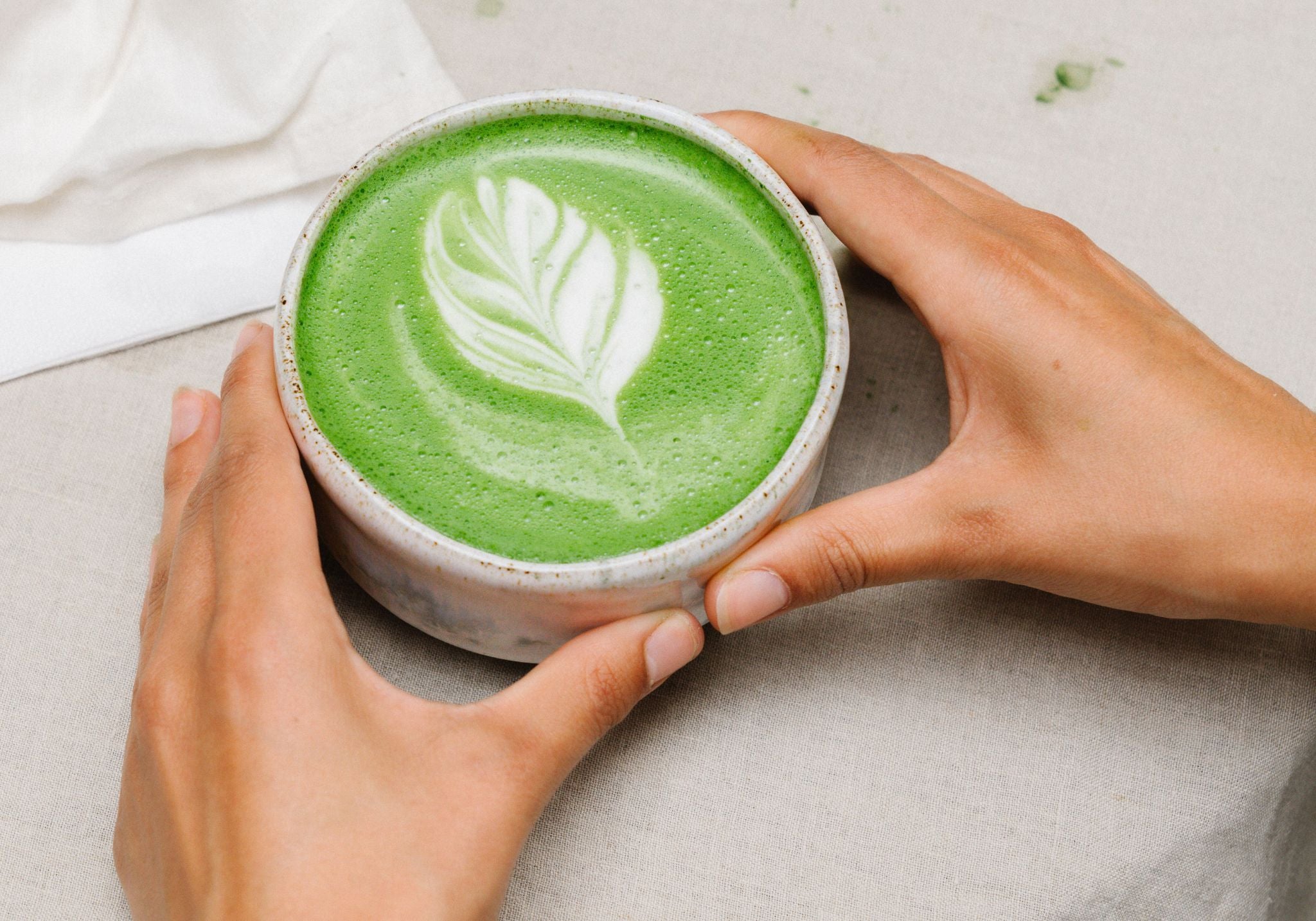
Piohni's matcha er blød, rund og cremet – uden den bitre smag mange kender fra lavere kvaliteter.
Håndplukket på den frodige Kyushu Island i Japan, er vores matcha-pulver vegansk, glutenfrit og fyldt med antioxidanter – et sundt og opkvikkende alternativ til kaffe.
Piohni er allerede en favorit blandt de bedste caféer og hoteller, og nu kan du nyde vores femstjernede ceremonielle matcha-te hjemme.
50g AAA ceremonial grad matcha i bæredygtig pose
WHY DID YOU INTRODUCE HOJICHA?
We hesitated at first to introduce Hojicha. But over time, we noticed something: many of you — especially those new to matcha — kept asking for something gentler. Hojicha is just that. With a warm, nutty taste and almost no caffeine, our Hojicha is a roasted fine green tea powder, and makes a delicious and creamy Hojicha Latte Recipe
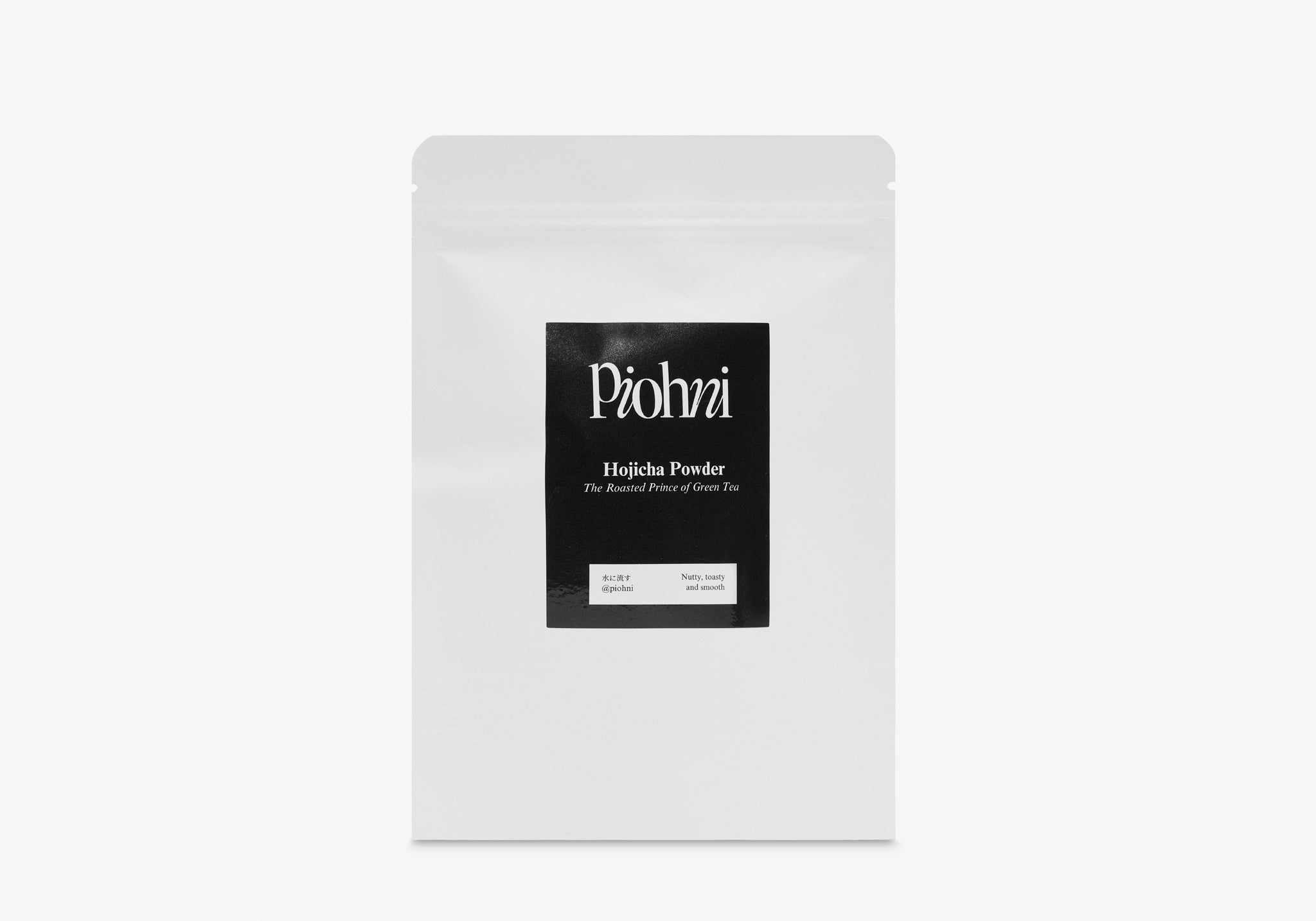
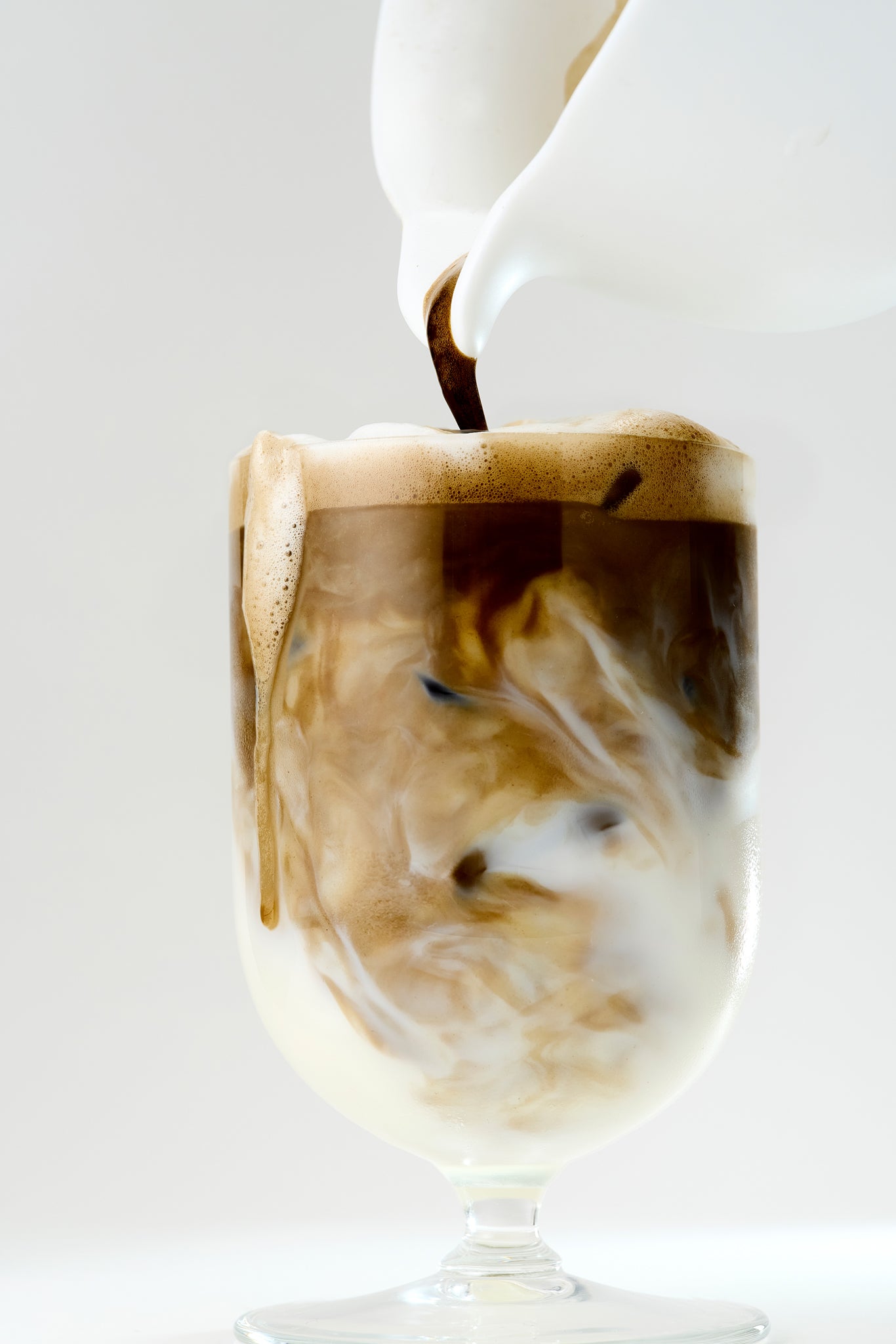
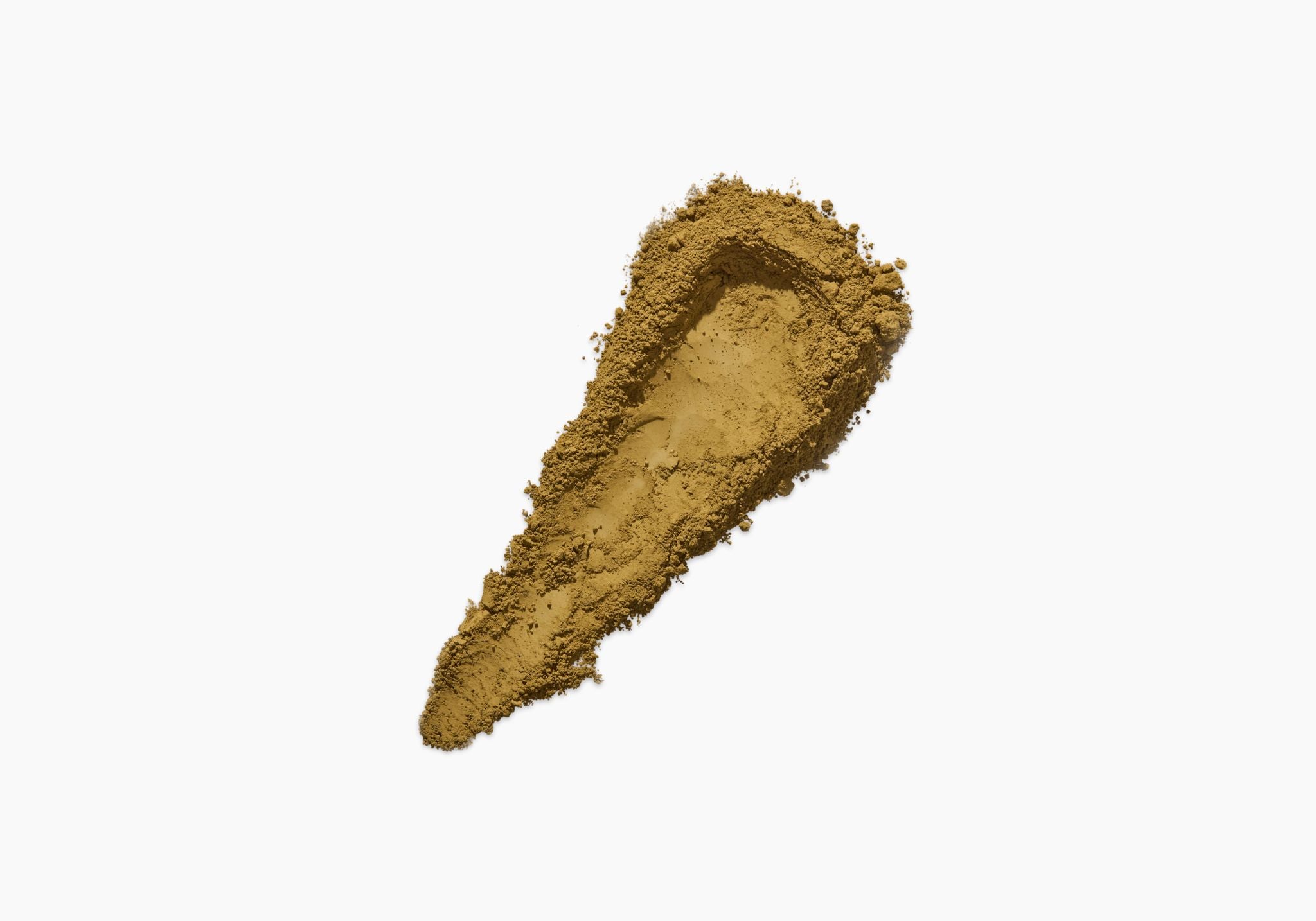
Lækker, dyb og dejlig. Smager skønt i en cremet Hojicha Latte.
Hojicha har en dyb, nøddeagtig smag. Den er især elsket af dem, der er nye til matcha, på grund af sin mere bløde og milde smag men med de samme gode sundsfordele.
– 100 % japansk Hojicha pulver
– Smag: Naturligt sød, rund og ristet
– Koffeinindhold: Lavt
– Nettovægt: 30g
Du kender måske allerede Piohnis matcha fra nogle af de bedste caféer og hoteller. Nu introducerer vi det næste nye: Hojicha 焙じ茶 – med lavere koffein end både kaffe og matcha.
Prøv vores opskrift på Hojicha Latte opskrift her.